
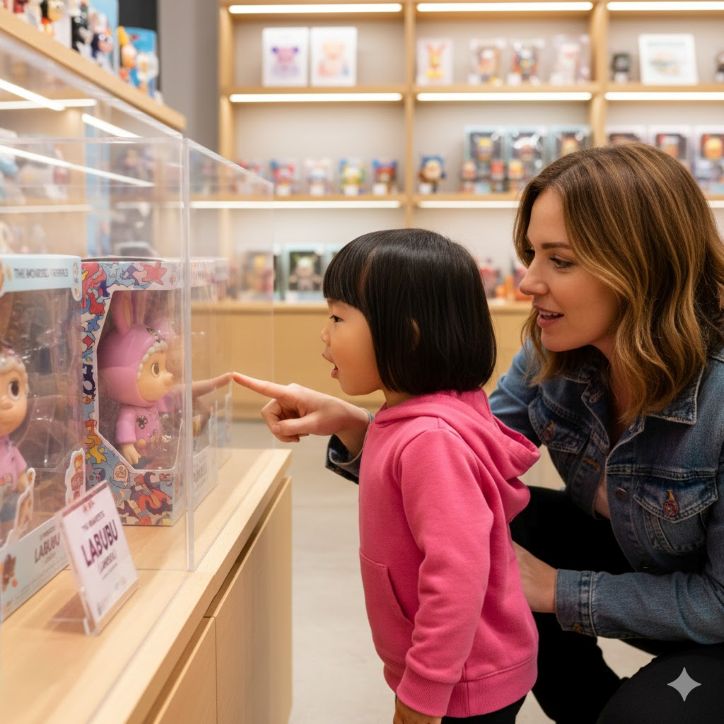
Global toy counterfeiting is a multi-billion-dollar industry, and children’s collectibles are among the most copied products online. That reality matters as designer toys like Labubu move from niche art circles into everyday family shopping carts. What looks like a cute figure on a screen can hide risks that go beyond wasted money.
The Labubu craze spreads fast through social media, resale platforms, and influencer videos, which is why parents often search for reliable sources such as Labubu Australia when trying to understand what authentic products look like. Limited drops, playful designs, and the promise of collectibility create urgency, a feeling that you must buy now before prices jump or items vanish.
Trends thrive on speed, and that speed works against careful decision-making. Many fake sellers rely on copied photos and convincing product descriptions. Some even mimic real brand language. Parents scrolling late at night can miss red flags, especially when a child is eager and the price looks like a bargain.
Why fakes are more than a money problem
Counterfeit collectibles often use cheaper materials. Paint can chip, seams can split, and small parts may come loose. For younger children, this becomes a safety issue. Loose accessories can pose choking hazards, and poorly made plastics may not meet safety standards.
This is where parenting today feels similar to buying a smartphone. Choosing a device like the Redmi Note 15 Pro involves checking specs, reading reviews, and confirming official sellers. Parents accept that diligence as normal. The same mindset applies to collectibles. A toy that sits on a shelf still passes through small hands.
Simple ways to spot authentic Labubu items
Parents do not need to become experts overnight. A few habits can reduce risk:
- Check the seller’s history and reviews, especially on marketplaces.
- Compare product photos with official images, look closely at paint details and packaging.
- Be cautious of prices far below the usual range, extreme discounts are a common warning sign.
- Read age recommendations and material information carefully.
Authentic Labubu figures usually show consistent craftsmanship. Lines are clean, colors are even, and packaging feels intentional. Fakes often rush these details.
Talking to kids about trends and value
Children absorb hype quickly. One viral video can turn a toy into a must-have item overnight. Parents can use this as a teaching moment. Explaining how trends work, why some items are limited, and why patience matters reinforces the idea that child rearing is tough but fulfilling, especially in a digital age filled with constant temptation.
Framing the conversation around quality rather than popularity helps. Ask children what they like about the figure. Is it the story, the design, or simply that everyone else has one. This approach reduces pressure to chase every new release.
Balancing fun with responsibility
Collectibles can be joyful. They encourage imagination and, for older kids, even spark interest in art and design. The goal is not to block trends but to guide them. Responsible shopping protects children while still letting them enjoy what excites them.
Some parents choose to treat Labubu figures as display items rather than play toys, especially for younger children. Others set rules around supervised use. These small boundaries make a difference.
What parents should remember going forward
Online shopping will only grow louder and faster. New characters will replace old ones, but the risks stay similar. Applying the same care used when buying electronics, clothing, or school supplies creates consistency.
Parents who research sellers, verify authenticity, and talk openly with their children are better equipped to navigate the trend cycle. Awareness turns a confusing market into a manageable one.
In the end, Labubu represents more than a toy trend. It reflects how quickly culture, commerce, and childhood now intersect. With a calm approach and informed choices, families can enjoy collectibles while staying safe, and resources like Labubu Australia can help parents feel more confident as they shop.